Prinsip Halal Assurance System (HAS) / Sistem Jaminan Halal (SJH)
HAS/ SJH ini mempunyai 6 prinsip, iaitu yang pertama ialah Penentuan Titik Kritikal Halal (HCP). Kedua ialah, Pembangunan dan Pengesahan Carta Aliran. Ketiga ialah, Perlaksanaan Langkah Kawalan. Keempat ialah, Pembangunan dan Tindakan Pembetulan. Kelima ialah, Dokumentasi dan Pengurusan Rekod. Akhir sekali, yang keenam ialah Proses Pengesahan. Saya akan menerangkan tentang perbezaan antara prinsip yang ketiga iaitu, Perlaksanaan Langkah Kawalan (Control Measure),dan keempat iaitu Pembangunan dan Tindakan Pembetulan (Corrective Action).
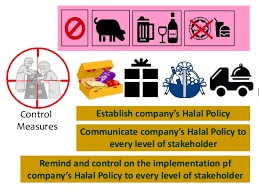
Langkah ketiga dalam HAS, adalah untuk mewujudkan dan melaksanakan langkah-langkah kawalan. Jika berlaku apa-apa risiko haram dikesan dalam carta aliran proses, Internal Halal Committee (IHC) hendaklah mengambil tindakan pencegahan untuk mengelakkan risiko haram daripada berlaku. Bagi setiap Halal Control Point (HCP) yang telah dikenal pasti, langkah kawalan tertentu perlu dibangunkan. Langkah kawalan adalah tindakan pencegahan yang diambil sebelum tahap kritikal sebenar akan terjadi.
Contoh Material Risk Summary untuk bahan mentah :
Untuk mengenalpasti Halal Control Point (HCP) untuk bahan mentah, bahan ramuan atau bahan pembungkusan,kita akan menggunakan tools Decision Tree untuk mengenal pasti bahan tersebut (HCP), ataupun bukan (HCP). Selepas mengenal pasti bahan tersebut (HCP), kita akan buat Control Measure bagi (HCP) sahaja. Tambahan itu, kita juga akan menggunakan jadual yang sama untuk prisip yang seterusya.
Contoh Risk Management Plan Summary untuk proses :
Manakala bagi proses pula untuk mengenal pasti (HCP), kita akan menggunakan (HCP) Analysis Workship. Selepas mengenal pasti (HCP), masih menggunakan jadual yang sama, kita teruskan untuk (Control Measure). Setelah itu, kita akan melihat proses dalam jadual tersebut. Contohnya, terdapat 10 proses dalam penerimaan bahan mentah tersebut, dalam satu ataupun dua langkah dalam proses tersebut adalah (HCP), maka akan diteruskan dengan menggunakan Risk Management Plan Summary. Material Risk Summary untuk bahan mentah, manakala Risk Management Plan Summary untuk proses.
Sebelum kita teruskan kepada prinsip yang keempat, iaitu Pembangunan dan Tindakan Pembetulan (Corrective Action). Kita akan melihat bahagian Monitoring Procedure. Monitoring Procedure ialah langkah kawalan untuk bahagian proses sahaja. Contoh Monitoring Procedure :
Langkah seterusnya dalam perlaksanaan Halal Assurance System (HAS) adalah untuk mewujudkan tindakan pembetulan (Corrective Action). Tindakan pembetulan (HAS) diambil jika ada ketidakpatuhan ditemui pada masa audit halal dalaman telah dijalankan. Tindakan pembetulan perlu diambil seawal mungkin, terutamanya jika ia akan menyebabkan secara lansung ke atas status halal produk. Segala bentuk tindakan pembetulan yang diambil oleh syarikat-syarikat mesti didokumenkan dalam rekod yang bertulis. Contoh Corrective Action :
Saya kongsikan satu video tentang Control Measure dan Corrective Actions. Sila tekan link dibawah ini. Itu sahaja daripada saya, sekian terima kasih.
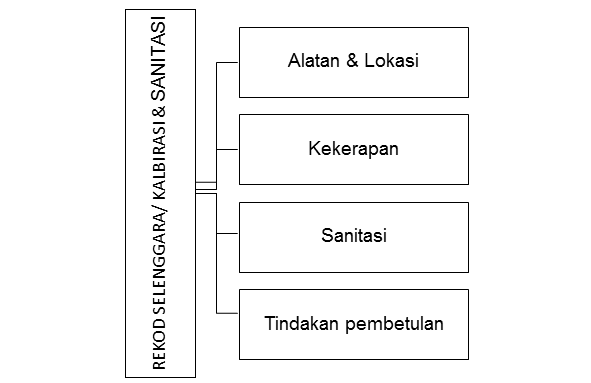
Berikut merupakan rekod selenggara/kalibrasi dan sanitasi peralatan Restoran MA’AZ (Naungan Syarikat MA’AZ). Eksekutif Halal restoran kami iaitu Cik Musliha akan mengisi beberapa butiran berkaitan rekod ini iaitu alatan & lokasi, kekerapan, sanitasi dan juga tindakan pembetulan yang akan disahkan oleh Puan Siti Izzati Putri.
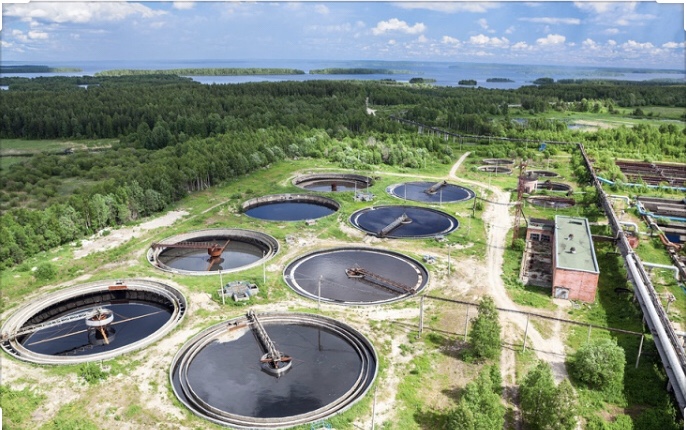
Kawasan yang bersesuaian dan bebas daripada banjir dan pencemaran.
Lokasi
Syarat-Syarat pemilihan lokasi:
1. Pastikan jauh daripada sumber pencemaran dari aktiviti industri.
2. Tidak cenderung kepada kejadian banjir.
3. Pastikan kawasan persekitaran tersebut bersih dan kemas bagi mengelakkan serangan mahkluk perosak.
4. Kawasan boleh membenarkan pelupusan sisa pepejal dan cecair dengan efektif.
Pelan Susun Atur Kilang
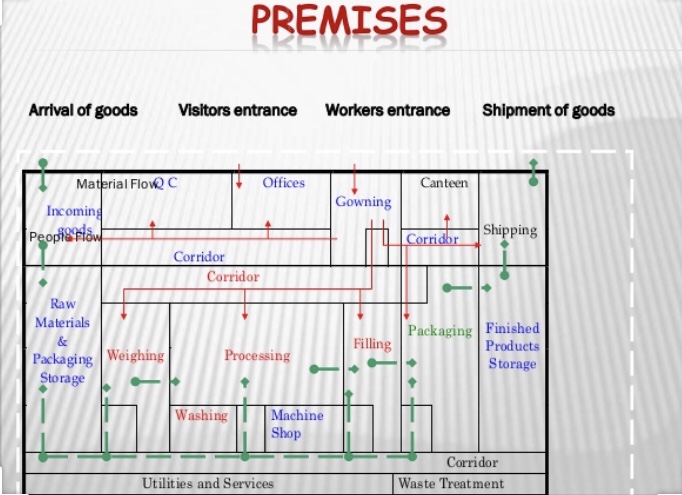
Susun atur premis dan kawasan bilik :
1. Susun atur premis secara keseluruhan boleh mengelakkan pencemaran silang.
2. Susunan kemudahan mesti memudahkan pemantauan kebersihan dan aktiviti makhluk perosak.
3. Susunan yang baik mempunyai laluan pemprosesan sehala I , U atau L
4. Laluan ini dapat mengurangkan risiko pencemaran silang dan lebih teratur kerana disusun mengikut carta alir pemprosesan produk.
5. Laluan ini lebih mudah dibentuk jika tidak banyak produk dalam satu premis.
Peralatan & Perkakasan
• Mestilah mempunyai reka bentuk yang bersih dan sesuai.
• Peralatan yang bersentuhan dengan makanan mesti diperbuat dari bahan yang bersesuaian :
1. Mudah dicuci
2. Tidak bertindak balas dengan agen pembersihan dan sanitasi
3. Tidak mudah terhakis
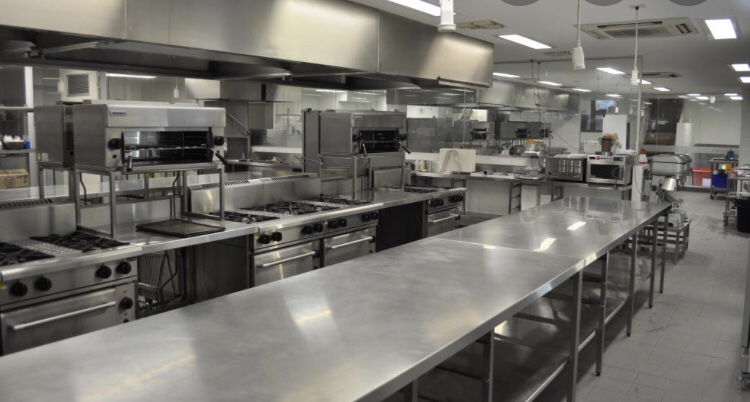
• Biasanya peralatan pemprosesan diperbuat dari keluli tahan karat.
• Susunan peralatan :
1. Jangan diletakkan tepat di bawah lubang udara
2. Lokasi bersesuaian dengan kecerahan yang diperlukan
Bekalan Air / Ais / Stim
Penjana steam pemanasBekalan air kilang
Keperluan pelesenan penyediaan ais tidak terpakai kepada premis yang menghasilkan ais untuk kegunaan sendiri seperti penyejukan dan penyediaan makanan. Walau bagaimanapun permohonan lesen penyediaan ais secara sukarela dari pihak syarikat untuk kegunaan sendiri adalah digalakkan. Manakala bagi tujuan pengeksportan makanan , keperluan pelesenan penyediaan ais adalah tertakluk kepada negara pengimport.
Di samping itu, premis penyediaan ais blok juga tertakluk kepada peruntukan tertentu di bawah Peraturan-Peraturan Kebersihan Makanan 2009 termasuklah menyediakan dan mengadakan satu program jaminan keselamatan makanan yang didokumenkan.
Keperluan Am
Ruang Pemprosesan
Kawasan pemprosesan perlu dibina menggunakan bahan yang tidak mempunyai kesan toksik dalam penggunaannya , permukaan yang boleh dibersihkan dan sentiasa dijaga supaya sentiasa bersih dan di selenggara dengan baik. Di mana mungkin , penggunaan bahan kaca perlu dielakkan.
Sinki Mencuci Tangan
Kemudahan kebersihan untuk pekerja perlu mencukupi dan boleh digunakan di kawasan operasi, direkabentuk dan di selenggara dengan baik setiap masa.
Tandas
Bilangan tandas mestilah mencukupi untuk kakitangan.
Bilik / Ruang Persalinan
Bilik persalinan perlulah mencukupi untuk kakitangan.
Setor Penyimpanan
Kemudahan penyimpanan bagi produk makanan, bahan ramuan , dan bahan kimia bukan seperti bahan-bahan pembersihan, minyak pelincir dan bahan api perlu disediakan.
Lantai
Lantai di kawasan basah perlu diperbuat daripada bahan yang tidak licin dan membolehkan penyaliran air yang mencukupi.
Dinding, Siling , Kipas, Tingkap Dan Pintu
Tingkap dan pintu perlu dibina bagi mengurangkan pengumpulan kotoran dan mudah dibersihkan.
Lampu
Pencahayaan semula jadi atau buatan perlu dibekalkan bagi beroperasi dalam keadaan baik . Kecerahan cahaya perlulah mencukupi bagi memenuhi kehendak operasi . Sebaik mungkin , pencahayaan minimum tidak kurang daripada 215 lux pada jarak 90 cm daripada lantai.
Saliran / Longkang
Pembuangan bahan buangan mesti dilakukan dengan cara yang dapat menghalang pencemaran makanan bermula dari bahan mentah sehingga produk siap, air yang boleh diminum dan hendaklah tidak memberi sebarang gangguan kepada persekitaran.
Kawalan Mahkluk Perosak
Bangunan hendaklah sentiasa dalam keadaan yang baik untuk mencegah kemasukan serangga perosak dan menghapuskan kawasan yang berpotensi untuk pembiakan serangga perosak.
Siti Aisyah Turiman ( DPH201924166 )Pengendali makanan adalah orang yang terlibat secara lansung dalam menyediakan makanan, menyentuh makanan atau permukaan yang menyentuh makanan dan mengendalikan yang berbungkus atau tidak berbungkus atau perkakas. Oleh itu, kesihatan pengendali makanan amat penting dalam penghasilan makanan. Pengendali makanan yang sakit boleh menyebarkan penyakit bawaan makanan. Sebelum mengendalikan makanan , pengendali makanan perlu memastikan dirinya sihat dan tidak mengalami gejala seperti sakit perut atau cirit-birit sebagai langkah pencegahan.
Kursus Latihan PengendaliMakanan
Semua pengendali makanan adalah diwajibkan mendapat latihan pengendali makanan daripada Sekolah Latihan Pengendali Makanan (SLPM) yang diiktiraf oleh Kementerian Kesihatan Malaysia (KKM).
Pemeriksaan perubatan dan keadaan kesihatan pengendali makanan
Wajib untuk semua pengendali makanan. Pengendali makanan tidak boleh bekerja di premis makanan sekiranya menghidap atau pembawa penyakit makanan.
Pakaian Pengendali Makanan
Semua pengendali makanan yang mengendalikan makanan, bahan pembungkus makanan serta peralatan secara terus hendaklah sentiasa berpakaian yang sesuai dan bersih. Ini bertujuan untuk mengelakkan berlakunya pencemaran ke atas makanan
Contoh Pakaian Perlindungan
Kebersihan Diri
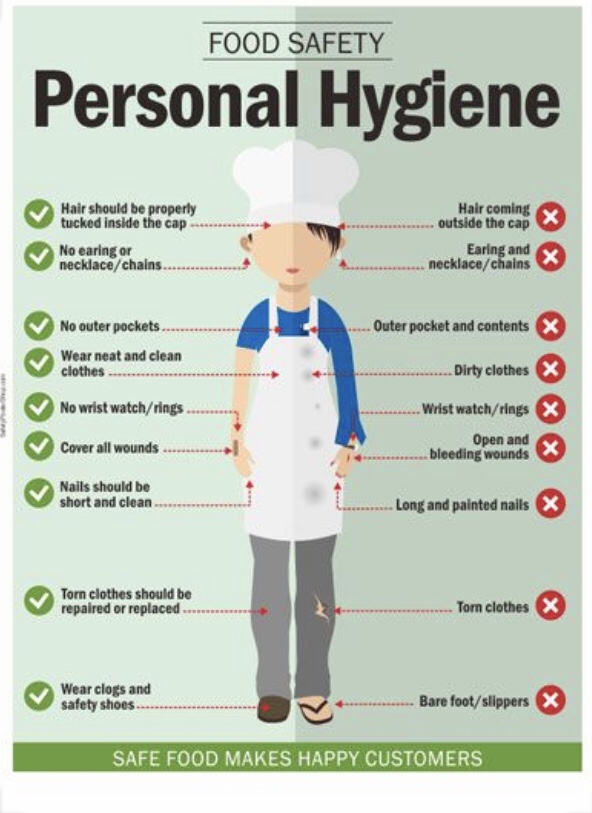
Semua pengendali makanan perlu memastikan dirinya dalam keadaan bersih di sepanjang masa mengendalikan makanan. Ini termasuklah :
1. Mengekalkan kebersihan diri pada tahap yang tinggi termasuklah menyimpan kuku yang pendek dan bersih.
2. Menanggalkan baju luar atau penutup kepala atau apron sebelum ke tandas.
3. Membasuh tangan sebelum memulakan kerja, sebaik selepas menggunakan tandas dan selepas mengendalikan bahan makanan mentah atau apa-apa bahan yang tercemar.
4. Tidak melakukan apa-apa kelakuan atau tindakan yang boleh menyebabkan pencemaran makanan.
5. Tidak meletakkan apa-apa barang di dalam poket mana-mana pakaian atau apron yang boleh menyumbangkan kepada apa-apa pencemaran makanan.
6. Tidak memakai perhiasan diri seperti jam , pin atau aksesori yang lain.
Amalan-Amalan Yang Perlu Dielakkan
Selain daripada itu :
1. Menyentuh muka dan rambut.
2. Memakai pakaian seragam yang kotor.
3. Kuku panjang.
4. Memakai perhiasan.
5. Tidak memakai perlindung rambut.
6. Gula-Gula getah. ( chewing gum )
7. Makan dalam persediaan makanan dan kawasan simpanan .
8. Tidak mandi.
9. Merokok.
7 Kaedah Cuci Tangan
Bilakah perlu mencuci tangan?
1. Menyentuh badan, muka , bersin dan pakaian.
2. Menggunakan tandas.
3. Makan , minum dan merokok.
4. Mengendalikan peralatan atau peralatan kotor.
5. Mengendalikan makanan mentah.
6. Mengendalikan sampah.
7. Akitviti lain yang mencemari sarung tangan anda.
Pengendali makanan diwajibkan untuk mengambil suntikan anti-tifoid.Individu termasuk kakitangan penyelenggaraan dalaman yang melawat seseorang atau sesuatu tempat.
Pelawat – pelawat yang memasuki kawasan pemprosesan dan pengendalian makanan hendaklah memakai pakaian pelindung mengikut kesesuaian dan mematuhi peraturan kebersihan individu yang ditetapkan.
It shall be the responsibility of the organisation to ensure that there are effective management systems and controls to demonstrate and prove compliance to halal requirements. In addition, there shall be adequate records available to prove compliance with any statutory conditions relevant to the nature of the retail storage and its related activities.
5.4.3.2 This requirement is applicable but not limited to:
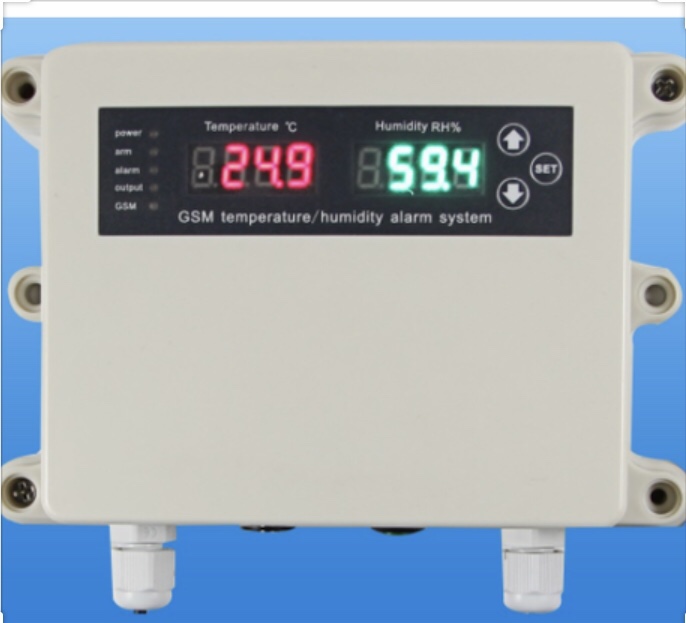
1. Temperature
2. Humidity
3. Air Pressure
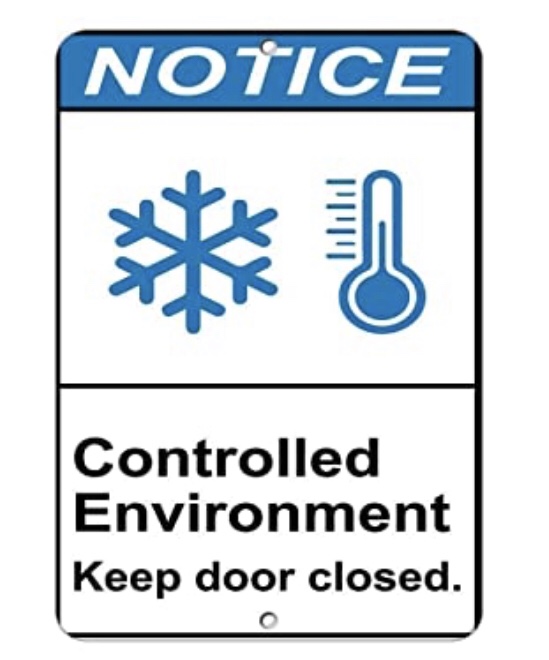
4. Controlled Environment
5. Drop and Shock
6. Compression Loading
7. Vibration and orientation,segregation and separation of products and/or goods.
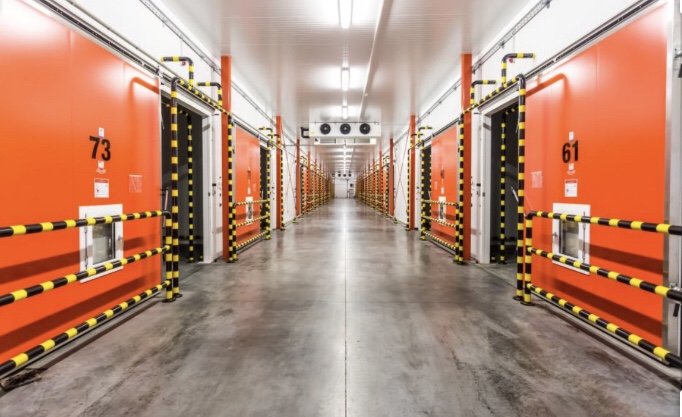
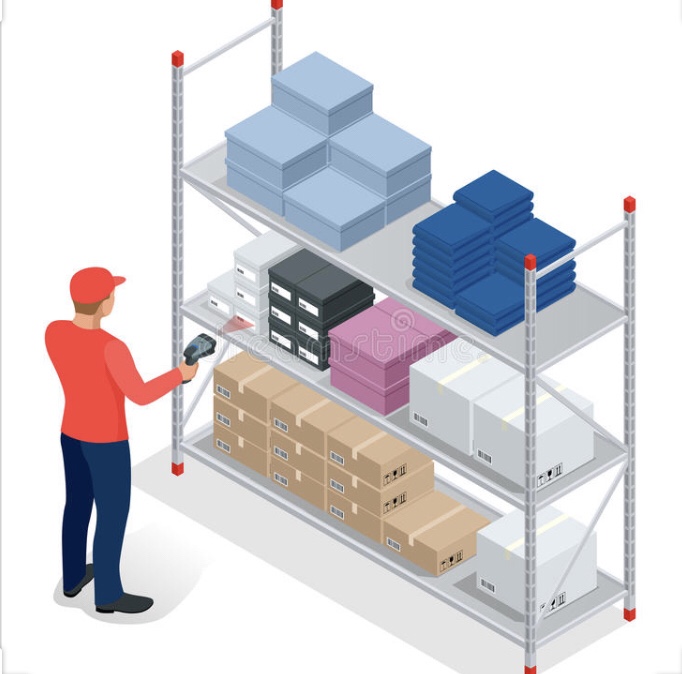
5.4.3.3 The organisations shall provide adequate facilities, which ensure that the integrityof halal products and/ or goods received is not compromised, deteriorate or suffer loss or damage during times of storage.
5.4.3.4 They shall alsoensure that suitable and secure facilities are provided where appropriate to the nature of the products and/or goods to be stored and dispatched.
5.4.3.5 The organisations shall provide suitable means of handling inbound products and / or goods to maintain the integrity of the halal principles.
5.4.4 Preparation and dispatch
5.4.3.1 The organisations shall ensure that details of all orders with consumer relating to the preparation,loading , stowing, securing and dispatch of all packed products and /or goods are available to the personnel responsible for this part of the service performance. This information should contain all relevant aspects such as loading information, sequence of loading, window delivery time, accompanying documentation and product identification. Whereappropriate, there should be clear methods of identification which is maintain traceabilityof product and load/shipment details.
5.4.3.2 The organisations shall also ensure that retail operations including outsourcing parties in accordance to legal halal requirements.
5.4.5 Loss/ Damage
5.4.4.1 The organisations shall ensure that any loss or damage to the products and/ or goods being stored and handled be identified and the related parties informed accordingly. Loss/ damage found shall be documented.
5.4.6 Documentation
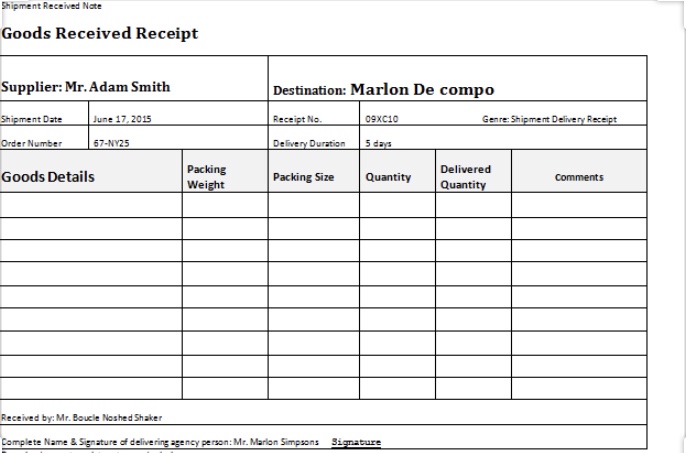
5.4.6.1 The organisations shall ensure that the implementation of proper documentation and the availability of required documents ( e.g , bill of lading , advance shipping notice , packing list, air way bill or delivery order ) to verify the nature of the consignment, type of load, the destination and the mode of transport. Any discrepancy arising shall be recorded together with corrective actions taken.
5.4.6.2 It is also the responsibility of the organisation to ensure that there is evidence of collection and delivery ( proof of delivery) confirmed by authorisedpersons.
5.4.7 Outsourcing Parties
The organisation shall monitor the performance of its outsourcing parties to ensure compliance with halal requirements, and with all existing legal and operational control.
6.Operations of the Halal Risk Management Plan
6.1 Retailing Activities
6.1.1 Typical retailing activities would include the following:
1. Supplier Monitoring.
2. Identification,separation, handling and labelling of non halal products and / or goods.
3. Incoming goods subject to integrity.
4. Unloading of products and/ or goods to storage.
5. Debulking, sorting and repacking of products and / or goods.
6. Storage for frozen and chilled products and / or goods.
7. Storage at ante room ( for ambient products and / or goods )
8. Maintenance of cold chain integrity.
9. Stocking and replenishment of shelf and merchandising location.
10. Customer browsing and products and / or goods selection.
11. Transfer to customer products and / or goods by trolleys and baskets.
12. Check out counters activities.
13. Managing products and / or goods not fit for sale.
6.2 Records to be Maintained
6.2.1 Records on supplierselection, list of approved suppliers, order placement, serviceprovider selection, list of approved serviceproviders and products delivery activities shall be maintained as evidence for the operation of the Halal Risk Management system.
6.2.2 Recordsof inventory management and its related activities shall be maintained as evidence for the operation of the Halalassurance management systems.
6.3 Control of non-conformity
6.3.1 Handling of contaminated
6.3.1.1
A documented procedure shall be established and maintained to define handling , control and disposal of products and / or goods resulting from handling under conditions where the control measures are not implemented or ineffectively implemented, to prevent the products, goods and from being released to end user. Records related to handling of products, goods and shall be maintained.
6.3.1.2
6.3.1.2 The contaminated and / or affected products and / or goods shall be isolated and referred to the internal halal committeefor decision. All decisions for disposition shall be recorded together with information on the nature of contamination, it’s causes and consequences including information needed for traceability purposes related to the contaminated and / or affected products and / or goods, and referred to the relevant parties.
6.3.1.2.2 The disposition of the contaminated and / or affected products and / or goods shall becarried out under strict supervision, or referred to the rightfulowner.
6.3.2. Handling of doubtful products and/ or goods
6.3.2.1 Products and /or goods handled under conditionswhere control measures are not implemented or ineffectively implemented , which have not been confirmed as contaminated or affected, are considered as doubtful products and/ or goods. Such products and/ or goods shall be isolated and quarantined for further evaluation or referred to the owner for action to be taken. Theevaluation shall be recorded.
6.3.2.2 Evaluation for release of doubtful
Each lot of doubtful products and/or goods shall only be released when the following conditions apply: 1. Evidence other than the monitoring system demonstrates that the control measures have been effective.
2. Evidence shows that the effect of the control measures for that particular products and/ or goods complies with halal requirements.
3. The results of sampling, analysis and/ or other verification activities demonstrate that the doubtful lot of products and / or goods complies with the halal requirements.
6.3.2.3 All lots of doubtful products and/ or goods shall be held under control of the organisations until they have been evaluated for disposition
6.3.3 Corrective Actions
A documented procedure shall be established and maintained to specify appropriate actions to identify and eliminate the cause of contaminated or affected products to prevent recurrence and to bring the process or system back into control after the nonconformity is encountered. These actions may be include :
1. Reviewing of non-conformities.
2. Reviewing of trends in monitoring results that may indicate trend of loss of control.
3. Determining the cause of non-conformities.
4. Evaluating the need for action to ensure that non-conformities do not recur.
5. Determining and implementing the actions needed.
6. Recording the results of correctives actions taken
7. Reviewing corrective actions taken that they are effective.
6.3.3.2 Corrective actions shall be recorded.
6.4 Withdrawals/ Recalls
In the event to facilitate complete and timely withdrawal/ recall of lots of end products and/ or goods which have been identified as contaminated, the top management of the organisation shall appoint personnel having the authority to initiate a withdrawal/ recall and personnel responsible for executing the withdrawal/ recall.
6.4.2 The organisations shall establish and maintain documented procedures for withdrawal/ recall for :
1. Notifications to relevant interested parties ( statutory and regulatory authorities, customers and/ or consumers ).
2. Handling of withdrawal products and / or goods as well as affected lots still in stock.
3. Sequence of actions to be taken.
6.4.3 Withdrawn/ recalled products and/ or goods shall be secured or held under supervision.
6.4.4The cause , extent and result of a withdrawal/ recall shall be recorded and reported to top management as input for management review.
6.4.5 The organisations shall verify and record the effectiveness of the withdrawal/ recall program throughthe use of appropriatetechniques ( e.g mock recall or practice withdrawal).
6.5 Communication
The management shall ensure that appropriate communication processes are established within the organisation and to the external interested parties with regards to the effectiveness of the Halal Management System. The use of information and communication technology ( ICT ) system as mode of communication should be encouraged within the organisation.
6.6 Traceability
The organisation shall establish and apply a traceability system that enables the identification of products and/ or goods.
6.6.2 The Traceability system shall enable identificationof inbound incoming materials from the immediate suppliers and the distribution routes and destination of the end product’sand / or goods.
6.6.3 The organisations shall define the retention period for the traceability record’sof products and/ or goods. The records maintained shall be in accordance with the statutory and regulatory requirements.
6.7 Control of monitoring and measuring equipment.
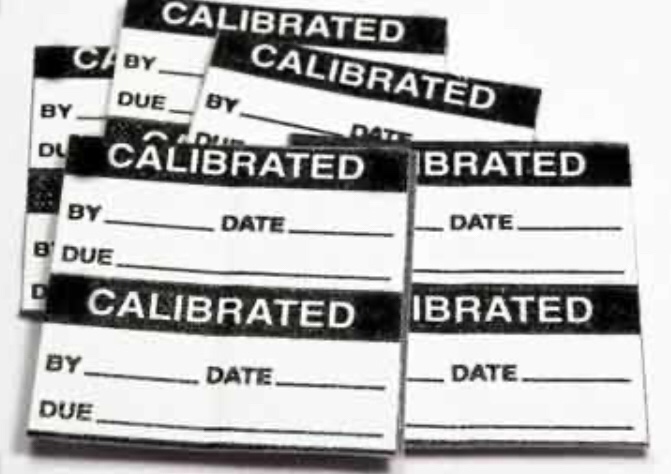
The organisation shall establish and maintain a documented procedure for the control of measuring equipment and methods used in the monitoring of the Halal Management System ( e.g Halal Risk assessment, Halal Control Point, validation and verification activities ). The measuring equipment shall be calibrated or verified at specified intervals prior to use against measurement standards traceable to national or international measurement standards.
6.7.2 Where no much standard exists, the basis used for the calibration or verification shall be documented.
6.7.3 Methods used in connection with monitoring, validation and verification of cross contamination shall be appropriate, and ensure that the reproducibleand repeatable results are obtained.
6.7.4 Records of the results of calibration and / or verification shall be maintained.
6.8 Emergency Preparedness
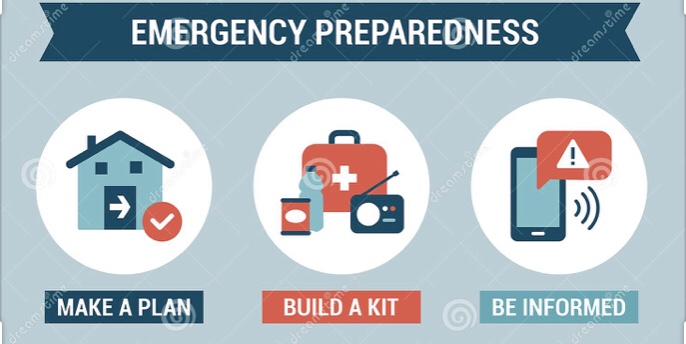
The management shall establish, implement and maintain procedures to manage potential emergency situations resulting in contamination including incidents and which are relevant to the role of the organisation. The organisation need to identify certain measures to control to be adopted to reduce the impact of such disaster.
6.9.2 The organisations shall evaluate and select outsourced service providers/ subcontractors based on their ability to supply products or services in accordance with the Halal Requirements. Criteria for the selection and evaluationof outsourced services providers/ subcontractors shall be established. Records forselection and evaluation of outsourced services providers/ subcontractors shall be maintained.
6.9.3 The organisations shall re-evaluate the outsourced serviceproviders/ subcontractors to ensure compliance with halalrequirements. Any corrective actions arising from the re-evaluation shall be recorded.
7 General Requirements for premises, infrastructure, facilities and personnel
7.1 Retail Location
The organisation should consider potential source of contamination when deciding on the location of the retail premises to protect halal integrity. The retail premise should mitigate or be located away from the following:
1. Environmentally polluted areas and industrial activities which pose a serious threat.
2. Areas subject to flooding.
3. Pest infestation areas.
4. Areas where wastes, either solid or liquid , cannot be removed effectively.
7.2 Premises design and layout
Where appropriate, the design and layout of the premises should permit good hygiene practices, including protection of the products and/ or goods against cross contamination between and during operations. Construction and layout of the premises shall permit adequate maintenance and cleaning.
7.2.2 Internal structure of the premises should be soundly built from durable materials and be easy to maintain, clean and where appropriate able to be disinfected or perform sertu.
7.2.3 The materials for indoor flooring , walls and ceiling surfaces under conditions of normal use shall be smooth, durable easily cleanable and non- absorbent . The floors in food establishment in which water flush cleaning methods are used shall be provided with drains and be graded “to drain “, and the floor and wall junctures shall be cover and sealed. Where required , appropriate area for eating and drinking shall be allocated to the personnel. The area shall be well- maintained and kept in good condition to prevent pest access and hardbourage.
7.3 Equipment
The design and construction of the equipment should fulfill the following requirements:
1. They should be made of materials with no toxic effects in intended use.
2. They can be adequately cleaned, disinfected and maintained to avoid the contamination of products and / or goods.
3. They should be durable, moveable and capable of being disassembled to allow for inspection , maintenance, cleaning and disinfection.
7.3.1 Control and Monitoring
In addition to the general requirements, equipment used to store or refrigerate products and/ or goods shall be designed to achieve the required temperatures and effectively maintained in accordance to Halal Requirements.
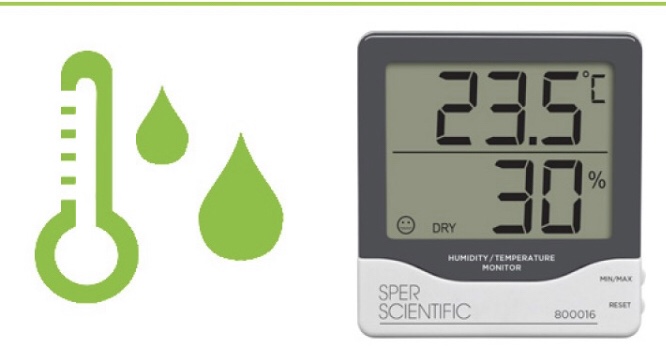
7.3.1.2 The organisations should provide equipment to control and monitor humidity, air-flow and any other parameters likely to have a detrimental effect on the halal status of the products and/ or goods.
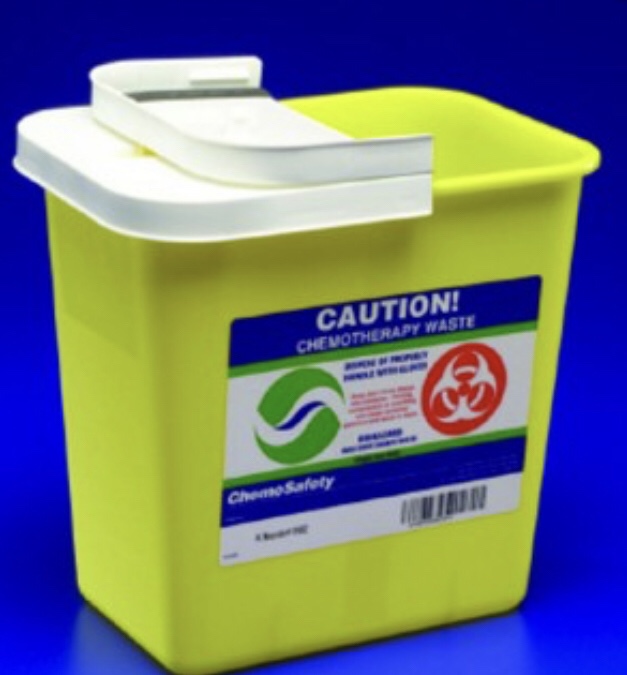
7.3.2 Containers for waste and inedible substance.
Containers for waste , by – products and inedible or dangerous substance, should be specifically identifiable, suitably constructed and, where appropriate, made of impervious materials.
7.3.2.2 Containers used to hold dangerous substance should be identified and , where appropriate, be lockable to prevent malicious or accidental contamination of products and / or goods.
7.4 Facilities
7.4.1 Water supply
An adequate supply of water with appropriate facilities for its storage, distribution and temperature control, should be available whenever necessary to ensure the halal integrity.
7.4.1.2 Non-potable water ( for use in fire control) , shall have a separate system. Non – potable water system shall be identified and shall not connect with, or allow reflux into, potable water systems.
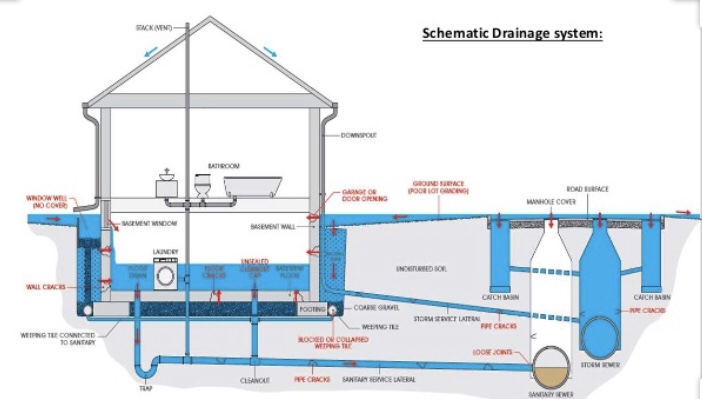
7.4.2 Drainage and waste disposal system
Floors and drainage systems should be suitably constructed to allow proper flow of water and waste to avoid the risk of contamination. Drains should be equipped with strainer to ensure solid waste is removed and appropriately treated in accordance to environmental requirement before discharge. Drainage systems should be maintained to ensure free flow of water.
7.4.2.2 External drainage systems shall be constructed to prevent access of pests. Fixtures, piping and ductsshall not cause condensation or leakage which could contaminate the products and/ or goods.
7.4.2.3 Adequate waste disposal systems should be established and a proper collection systems of waste out of the premises should be designed to prevent accumulation of waste.
7.4.2.4 Liquid waste , if any should be handled in a manner that it will not pose threat to environment.
7.4.3 Cleaning and sanitary
The organisation shall provide adequate facilities, suitably designed for cleaning purposes.
7.4.4 Air Quality and Ventilation
Ventilation systems should be suitably designed and constructed so that air does not flow from contaminated areas to clean areas and the systems should be adequately maintained and cleaned.
7.4.5 Lighting
Adequate natural or artificial lighting should be provided to enable operations to be carried out in accordance to the Halal Requirements.
Lighting fixtures should, where appropriate, be protected to ensure that products and/ or goods is not contaminated by breakages.
7.4.6 Storage
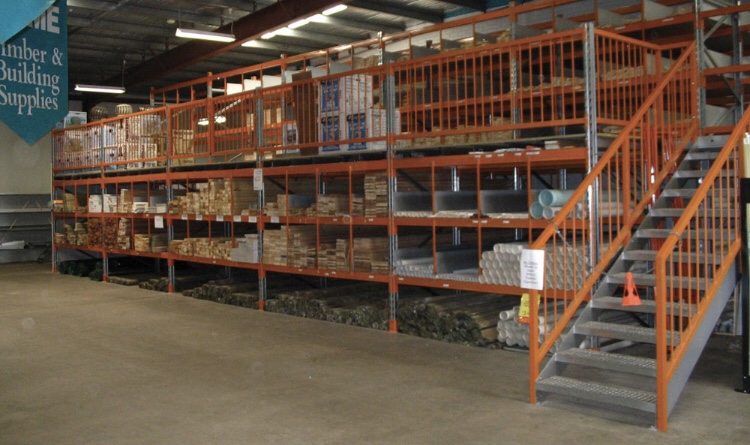
Storage of consignment, non-consignment materials ( cleaning materials, lubricants, fuels ) and packing materials ( cartons , pallets ) shall be separated in accordance with the halal requirements.
7.4.6.2 Storage facilities should be designed and constructed to :
1. Permit adequate maintenance and cleaning.
2. Avoid pest access and harbourage.
3. Enable products and / or goods to be effectively protected from contamination during storage.
4. Provide an environment which minimises the deterioration of products and / or goods ( by temperature and humidity control ).
7.4.6.3 The products and/ or goods in storage should not be in direct contact with floor.
7.5 Personnel hygiene, health status and cleanliness
7.5.1 Personnel hygiene facilities
The organisation shall provide appropriate personnel hygiene facilities to ensure appropriate degree of personnel hygiene can be maintained and to avoid contaminating the products and / or goods and process . The facilities shall be suitably located and designated. Facilities shall include:
1. Adequate means of hygienically washing and drying hands , including wash basins and a supply of water and sanitizers.
2. Adequate number of lavatories of appropriate hygiene design.
3. Adequate changing facilities and locker rooms for personnel.
7.5.2 Personnel health status
The organisation shall ensure that personnel who directly or indirectly come in contact with the products and/ or goods or processes likely to contaminate the products and/ or goods being handled follow certain guidelines:
1. Health status: Personnel with known , or suspected to be suffering from , or carrier of a disease or illness likely to be transmitted through handling and contact with products and/ or goods, shall declare their health status. Any person so affected should immediately report illness or symptoms of illness to the management.
2. Medical examination: Personnel should carry out medical examination if clinically or epidemiologycally indicated.
3. Illness and injury: Personnel with serious medical conditions that require any need for medical examination/ treatment and / or possible exclusion from the operation processes should report to the management for further action.
7.5.3 Personnel cleanliness
Personnel involved in the handling process shall maintain a high degree of personnel cleanliness.
Personnel with cuts and wounds, if allowed to continue working, shall ensure that the cuts and wounds be covered by suitable waterproof dressings and placed in non-food handling section.
Personnel should observe a proper hand washing technique before start of handling activities, immediately after lavatories handling raw or contaminated products and/ or goods which could result in contamination of other products and/ or goods.
If the personnel have come into contact with non-halal products and / or goods, the personnel shall wear a proper attire handling the products and/ or goods and perform the sertu when needed.
7.5.4 Personnel conduct
Personnel shall refrain from behaviour that could result in contaminating the products and / or goods being handled such as smoking, spitting , chewing or eating/ drinking, and sneezing or coughing over unprotected products and/ or goods during the handling process.
Personnel should also not bring into retail areas any personal effects that could cause contamination to the products and/ or goods.
7.5.5 Visitors
Visitors to the retail storage and / or preparation areas shall adhere to all personnel hygiene provisions.
7.6 Environment, perimeter and grounds
Where environmental conditions could reasonably be expected to have an adverse effect on the products and / or goods quality, the organisation shall establish and maintain procedures to adequately control these environmental conditions. Environmental control systems shall be periodically inspected to verify that the system , including necessary equipment, is adequate and functioning properly. These activities shall be documented and reviewed.
The perimeter and grounds surrounding the organisations premises should be kept and maintained in a manner that contamination to the handling process is avoided.
7.7 Employee
7.7.1 The organisations shall ensure that:
1. Employees handling non-halal products and/ or goods that are likely to contaminate halal products and / or goods are separated , and prevented from handling such products and / or goods and from entering the products flow.
2. Non-halal products and/ or goods storage, processes , display and sales, and check out activities, are segregated from those of halal products and/ or goods.
3. Appropriate signages and labelling are displayed to inform employees and customers on the need to separate and prevent mixing of halal and non-halal product and / or goods at retail display shelves.
4. Appropriate upkeep , maintenance and cleaning of trolleys , baskets and containers are performed periodically to prevent and avoid contamination.
5. The likelihood of cross-contamination from raw materials and finished products are prevented by proper design of the flow of employees, equipment and products and/ or goods.
6. Products rotation is based on “ first-in-first-out” where the first batch of products and / or goods prepared and placed in storage shall be the first one sold or used , and where appropriate, “ first-in-first-out”.
7. Ready-to-eat products and/ or goods are separated from the raw and uncooked products and/ or goods to prevent cross-contamination.
7.7.2 Receiving
The organisation shall ensure that temperature controlled products and/ or goods are received at specified temperatures and immediately transferred for processing, appropriate storage and/ or display.
7.7.3 Storage
The organisation shall ensure that products and/ or goods in refrigerated storage be controlled and maintain with respect to the specified temperature.
The storage conditions shall ensure that cross-contamination of ready-to-eat, raw and uncooked products and/ or goods is prevented.
7.7.4 Preparation
The organisation shall ensure that preventive measures are developed to control and prevent contamination from employees and equipment.
Designated areas and procedures for the preparation of raw, uncooked and ready-to-eat products and/ or goods shall be established to prevent cross-contamination from utensils and equipment.
Proper cleaning and sanitising of products and/ or goods contact surfaces shall be instituted in this operational step.
7.7.5 Hot and Cold Processing
The organisation shall ensure products and/ or goods that are subject to hot or cold processing are processed to the specified temperatures and monitored and controlled for a specified time.
The organisation shall ensure that cooling systems are operational to rapidly cool food to control bacterial growth.
The organisation shall ensure that reheating is performed only to specific foods to control bacterial growth.
7.7.6 Set up , assembly and packaging
Where required, products and/ or goods shall be wrapped as a set up assembly onto and packed on a transportation carriers or display case. The organisation shall ensure that products and / or goods safety is addressed by avoidance of bare hand contact and proper hand washing.
7.7.6.2 Packaging Materials
Packaging materials shall be of appropriate grade and quality and the packaging process shall ensure that products and/ or goods is not exposed to potential contaminants. The packaging materials shall be obtained from approved sources.
7.7.7 Display and Merchandising
Products and/ or goods on display in various sections of retailing shall be effectively protected from contamination.
The management shall implement an employee personal hygiene program that addresses the following:
1. Procedures for proper hand-washing.
2. The appropriate use gloves and dispensing utensils.
3. Control of bare hand contact with ready-to-eat products and / or goods.
4. Exclusion and restrictions of ill employees.
Specific procedures are recommended for customer self-service displays such as salad bars and buffet lines to protect food from contamination. Special consideration should be given to preventing cross-contamination from the customer.
7.7.8 Customer Information
The management shall provide notices, instructions, displays , signage and bulletins as recommendations to communicate, educate and create awareness among customers on potential cross contamination.
7.8 Maintenance of equipment
Equipment shall be well-maintained and kept in good condition to :
1. Facilitate all sanitation procedures including sertu.
2.Function as intended particularly at critical process steps.
3. Prevent contamination of products and/ or goods from non-halal materials and dangerous or hazardous materials.
The management shall establish cleaning and maintenance schedules for equipment ( including temperature control equipment ) to ensure that operating specifications are met. Cleaning and maintenance activities shall be recorded and verified.
7.9 Cleaning and Sanitation
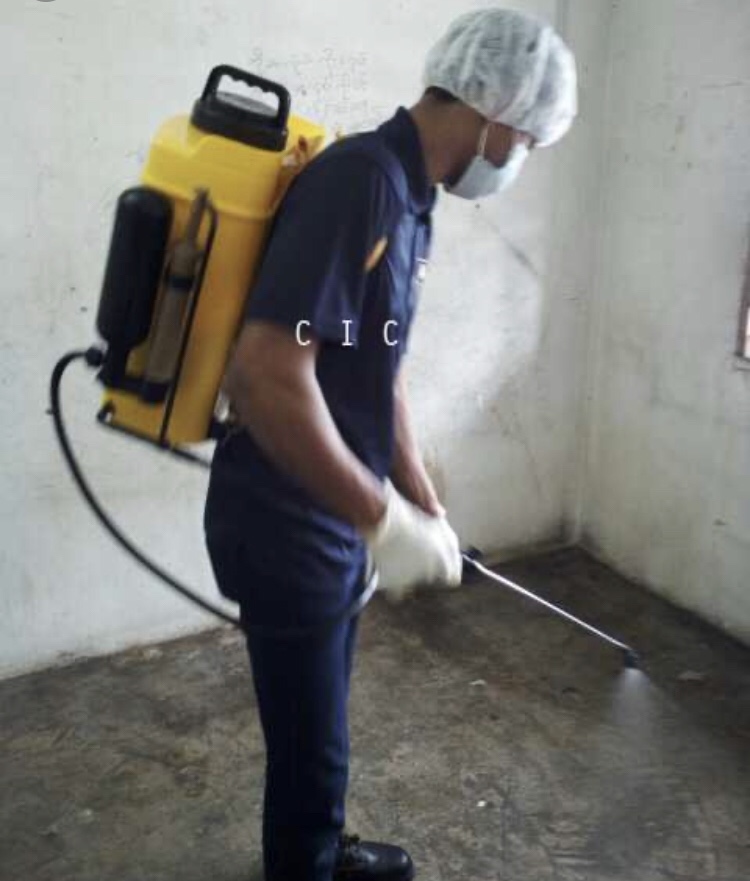
The organisation shall establish and maintain a procedure to outline suitable cleaning methods and materials depending on the nature of the organisation business. The procedure should describe the cleaning and disinfection programs to be under taken to ensure that all parts of the premises are appropriately clean and in accordance with the halal requirements. The cleaning program should include the cleaning of the cleaning tools and sertu where required.
7.9.2 Cleaning activities should be continually and effectively monitored for their suitability and effectiveness. The evidence of monitoring should be recorded.
7.9.3 Cleaning chemical should be handled and used carefully and in accordance with manufacturers instructions and stored from products and / or goods, in clearly identified containers to avoid the risk of contamination.
7.10
The organisation shall ensure that sertu is performed when and where contamination by najsal-mughallazah occurs.
The sertu process shall be supervised and verified by halal competent Authority or trained Muslim personnel appointed by internal Halal Committee.
The sertu process done shall be recorded.
7.12.1 Training of personnel
The organisation shall develop training program including Halal related training to ensure personnel involved in the operation are trained and / or instructed to a level appropriate to the operations to be performed.
The training program shall identify and fulfill the need for training taking into consideration the level of education, skill , competency’s and experience of the personnel and the task to be performed.
The need for training shall be reviewed at appropriate intervals.
The organisation shall perform assessment of the effectiveness of training program.
Managers and supervisors should have the knowledge on Halal Principels for effective operations of the system.
7.1.3 Contamination Control
7.13.1 Physical, chemical, and biological control.
The organisation shall establish a system to prevent contamination of products and/ or goods by physical , chemical and biological contaminants which could render the products and / or goods to become non-halal.
7.13.2 Pest Control.
The organisation shall employ all measures to avoid creating an environment conducive to pests. The organisation shall immediately deal with pest harbourage without adversely affecting the products and/ or goods being handled.
8. Maintenance of the Halal Supply chain
8.1 Internal Halal Audit
The organisation shall establish and maintain documented procedures for conducting audits at planned intervals to determine whether the Halal Management System:
1. Conforms to the requirements of this standard and to the Halal Management System requirements established by the organisation.
2. Is effectively implemented, maintained and updated.
8.1.2 Audit findings including corrective actions taken shall be recorded and maintained.
8.2 Management Review
Top management shall review the continuing suitability, adequacy and effectiveness of the Halal Management System at defined intervals. The review shall include identifying and assessing the changing needs of the business in relation to the Halal Management System, and the opportunities for improvement. The review shall take into consideration the stakeholders and Shariah requirements, and the organisations Halal policy and objectives.
Records from the management review shall be maintained.
8.3 Handling of complaints and feedback
The organisation shall establish a procedure to define requirements for handling customer complaints and feedback. The procedure shall include requirements for :
1. Reviewing complaints and feedback to determine the causes.
2. Evaluating the need for actions to be taken.
3. Determining and implementing the actions need.
4. Recording the results of actions taken.
5. Reviewing the effectiveness of actions taken.
8.4 Responsiveness to change
The organisation shall ensure that its Halal Management Systems is maintained and updated in response to anticipated and actually changes in the organisations, Human Resources, customers/ sector usage and groups, regulatory and / or Shariah requirements and any other internal and/ or external changes which might have an impact on the Halal Operations.
8.4.2 These changes shall be documented and executed by internal Halal Committee. All changes shall be communicated to the relevant parties.
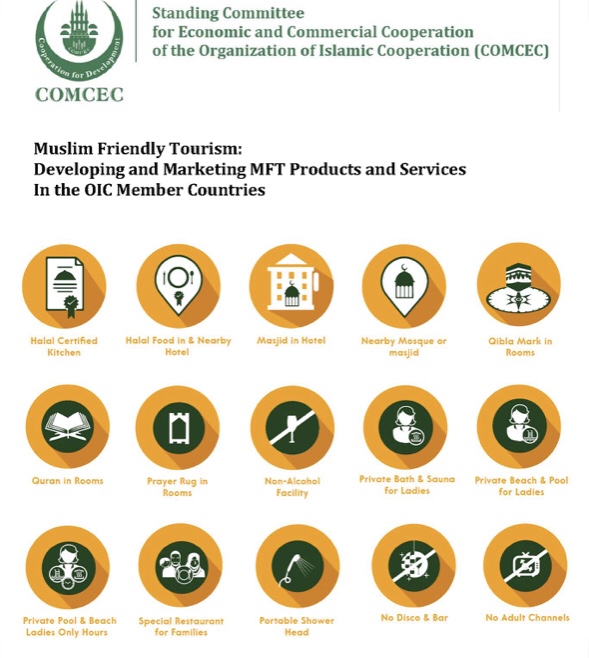
INTRODUCTION MFHS ( Muslim friendly hospitality services) is Malaysia’s first standard intended for the tourism industry that caters to Muslim travellers. This standard guides organisations in managing tourism facilities,products and services. Despite the term “Islamic”used, it is important to note that Islamic tourism is not exclusive to Muslims.
The objective of this standard are:
1. To enchance the ability of an organisation/individual to produce and/or manage Muslim friendly tourism products and services that meet the shariah principal.
2. To preserve and protect the integrity of Muslim friendly tourism products and services through effective application of the standard.
3. To enhance customer satisfaction by meeting customer requirements.
1.Scope
1.1 This Malaysian Standard provides guidelines and requirements for managing tourism facilities, products and services for Muslim travellers in accommodation premises, tour packages and tourist guides.
1.2 All requirements in this standard are generic and are intended to be applicable to all organisations and individuals managing Muslim friendly tourism products and services within the three specified areas stipulated in 1.1.
1.3 This standard is not applicable for health and beauty facilities such as spa and massage or any balneoteraphy facilities , products and services.
2. Normative References
The following normative references are indispensable for the application of this standard. For dated references , only the edition cited applies . For undated references, the latest edition of the normative reference ( including any amendments ) applies.
MS1500, Halal food – Production, preparation, handling and storage – General guidelines
Tourismindustry Act 1992 ( Act 482 )
3. Terms and Definitions
For the purpose of this standard,the terms and definitions given in MS 2393 , MS 1900 and the following apply.
3.1 Accommodation premises
Any building,including hostels,hotels,inns,boarding-houses,rest houses,home stays and lodging houses, held out by the proprietor,owner or manager , either wholly or partly , as offering lodging or sleeping accommodation to tourists for hire or any other form of reward, whether or not food or drink is also offered.
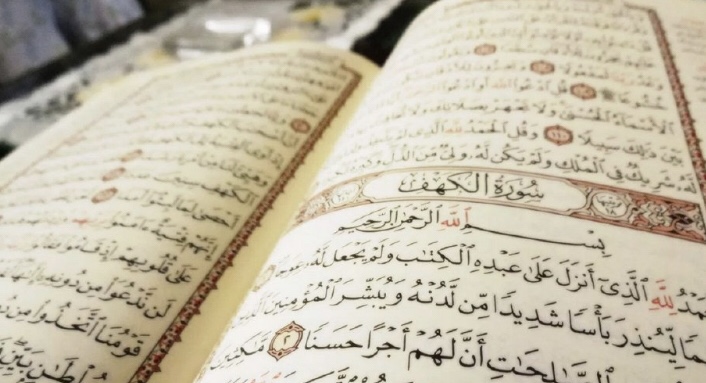
3.2 Al-Quran
Islamic scripture containing the revealed words of Allah to the Prophet Muhammad (S.A.W) through the medium of Angel Jibrail in Arabic as the primary source of Islamic law.
3.3 Fasting
The third pillar of the five pillars of Islam. Muslims are prohibited from eating,drinking (including water) and refrained from smoking,sexual activities and various other desires and encouraged to temper negative emotions such as anger and addiction during fasting hours (from dusk to down) in the month of Ramadan.
3.3.1 Ramadan
The holy month in the Hijri calendar when Muslims perform the obligatory practice of fasting from dawn (fajr)to dusk (maghrib).
3.4 Halal
An act or product that is lawful and permitted in Islam based on the authoritative sources. The opposite is Haram.
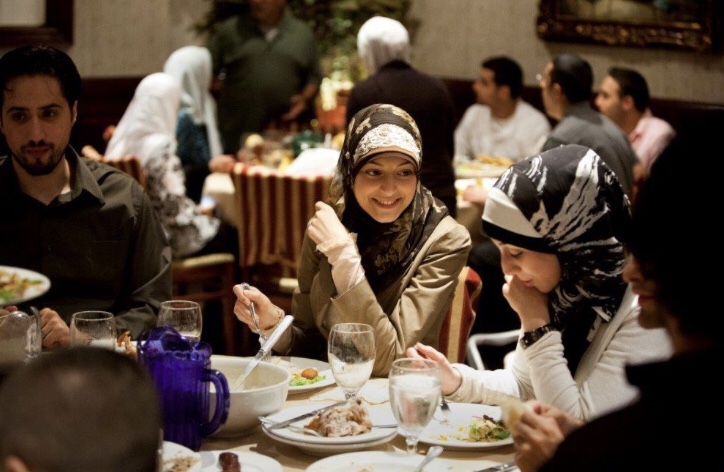
3.5 Iftar
The meal taken by Muslims at dusk to break their fast.
3.6 Kiblat
Direction of prayer towards the Kaabah in Makkah.
3.7 LicensedTourist Guide
A person who renders service to tourists or any other persons by guiding them on tours for remuneration and the person shall obtain his license as accordance with Tourism Industry Act ( Act 482 ).
3.8 Mukallaf
An accountable person who has reached puberty,same, and has received the message of Islam and is required to comply with the rulings of Shariah.
3.9 Musalla
Place , space or room is reserved for solah.
3.10 MFHS ( Muslim Friendly Hospitality Services )
Muslim friendly hospitality services are products or services in the travel and tourism industry guided by Shariah requirements that cater to or provide facilities suitable for Muslim travellers.
3.11 Sajada
A mat generally used by Muslim to perform their solah.
3.12 Recreation
Social, cultural,sporting and other relevant activities undertaken in leisure time.
3.13 Recreation Facilities
Public and private facilities provided for recreational activities.
3.13 Sahur
The meal consumed by Muslims before dawn when fasting.
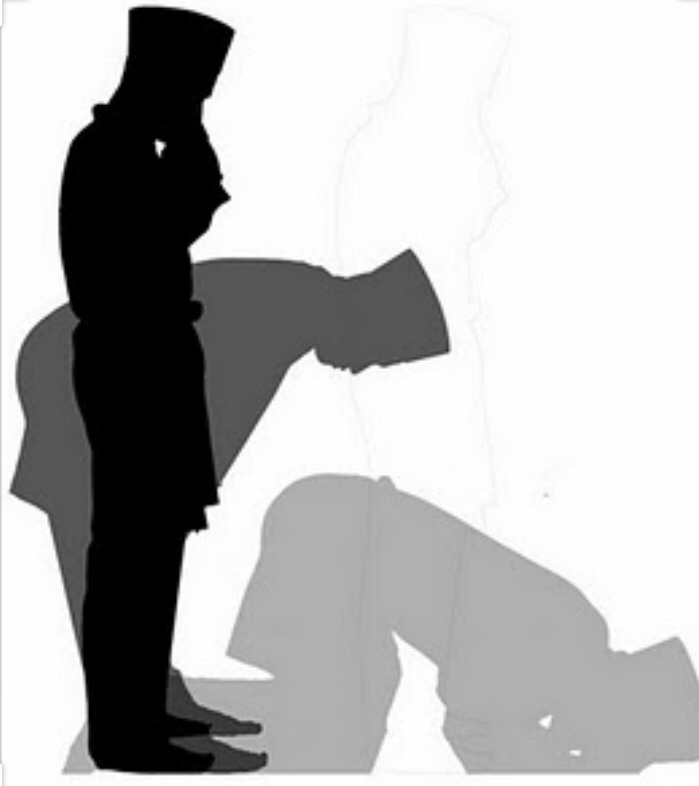
3.15 Solah
The ritual worship in Islam, as one of the five pillars of Islam, to be performed five times a day.
3.16 Shariah
Overall legal and regulation of Allah pertaining to life and welfare of mankind for the prosperity of life in this world and in the hereafter.
3.16.1 Shariah Compliance
Conformity to Shariah.
3.16.2 Shariah Law
Communication from Allah concerning the conduct of the mukallaf (3.8) which consists of a demand ( commandments and prohibitions ) and option or an enactment.
3.17 Tour Package
Any tour and travel arrangements described in any media and/or which are publicly marketed or promoted or advertised through any media and which include any two of the following components:
1. Transportation such as air,coaches,ferries,railways and cruises. 2. Accommodation 3. Other tourist services ( e.g excursion, shipping, sightseeing ) not ancillary to transportation or accommodation which form a significant part of the package example meals, shopping.
3.18 Travel Agent
A travel agent is a company carrying on travel agency business which is licensed under the Tourism Industry Act 1992 ( Act 482 ) by selling, arranging or making available tickets entitling a person to travel on any conveyance either by land , sea or air , hotel accommodation and travel related services in Malaysia or outside Malaysia for commission. A travel agent retails travel products and services which are operated or offered by principals or tour operators.
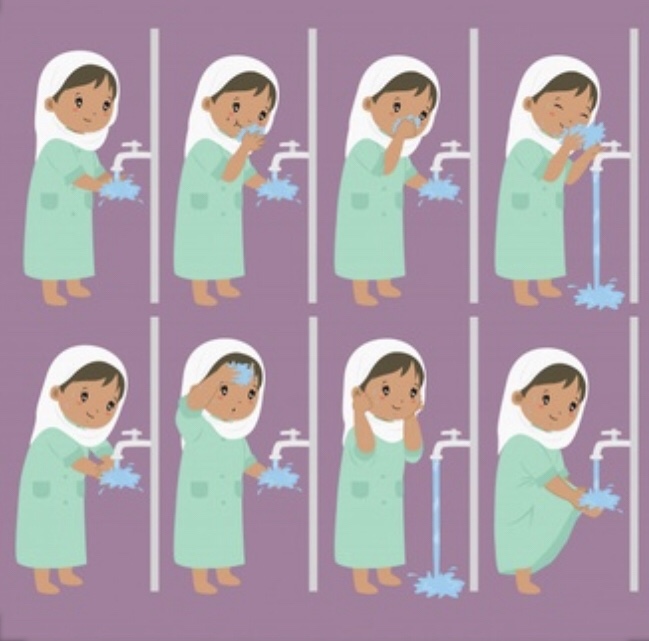
3.19 Wudhu
The rite or act to wash or wipe the specific parts of the body with the water to be pure and clean for the solah.
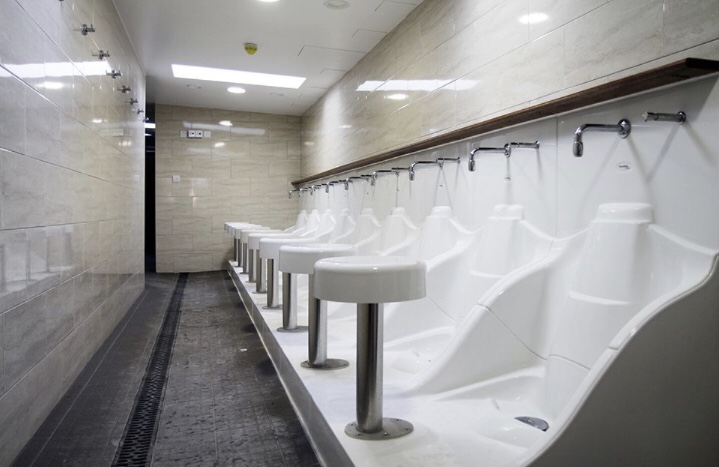
3.20 Wudhu Facility
Appropriate or dedicated area for male and female for Wudhu.
4. General Requirements
4.1 Management Responsibility
4.1.1 The management shall demonstrate leadership and commitment with respect to the MFHS by :
1. Ensuring that the MFHS policy and objective are established.
2. Ensuring the integration of the MFHS requirements into the organisations business processes.
3. Ensuring that the sources needed for the MFHS services are available.
4. Communicating the importance of effective MFHS management and of conforming to the MFHS requirements.
5. Ensuring that the MFHS management system achieves its intended outcomes.
6. Directing and supporting persons to contribute to the effectiveness of the MFHS management system.
7. Promoting continual improvement of the MFHS.
8. Supporting other relevant management roles to their leadership as it applies to their areas of responsibility.
4.1.2 The Management Shall Establisha MFHS policy that :
1. Is appropriate to the purpose of the organisation
2. Provides a framework for setting MFHS objectives
3. Includes a commitment to satisfy applicable requirements.
4. Include a commitment to continual improvement of the MFHS.
4.1.3 The MFHS policy shall :
1. Be available as documented information.
2. Be communicated within the organisation.
3. Be available to interested parties, as appropriate.
4.1.4 The management shall ensure that the responsibilitiesand authorities for relevant roles are assigned and communicated within the organisation.
4.1.5 The management shall assignthe responsibility and authority for :
1. Ensuring that the MFHS management system conforms to the requirements of this standard.
2. Reporting on the performance of the MFHS management system to the management.
4.1.6 The management shall appoint a trained Muslim officer,irrespective of other responsibilities shall have responsibilities and authorities to ensure effective implementationof the MFHS.
4.1.7 Themanagement shall be responsible to ensure participationand commitment of staff at all levels within the organisation towards complianceof MFHS.
4.2 Personnel and Responsibility
4.2.1 The organisations shall :
1. Determine the necessary competence of personnel doing work under its control that affects its MFHS performance.
2. Ensure that these personnel are competent on the basis of appropriate education, training, or experience in MFHS.
3. Where applicable,take actions to acquire the necessary competence,and evaluate the effectiveness of the actions taken.
4. Retain appropriate documented information as a evidence of competence.
4.2 The Personnel doing work under the organisations control shall be aware of :
1. The MFHS policy
2. Their construction to the effectiveness of the MFHS management system, including the benefits of improved MFHS performance.
3. The implications of not conforming with the MFHS management systems requirements.
The Organisationshall provide a work environment which is non-discriminatory. In performing their work, employees shall not be made to compromise on their religious obligations.
4.3 MFHS management system
The organisation shall establish,implement, maintain and continually improve the MFHS management system, including the processes needed and their interactions.
4.4 Training
4.4.1 The organisations shall provide training for all personnel doing work under its control that affects it’s MFHS performance.
4.4.2 The MFHS Muslim personnel shall be trained by training provider recognised by relevant authority.
4.4.3 Continuoustraining shall be given , and it’s practical effectivenessshall be periodicallyassessed. The training programmesshall be made available and approved by the MFHS committee or MFHS executive officer.
4.4.4 All training records shall be kept.
4.5 Documentation and storage
4.5.1 The organisation shall establish a documented procedure to define the controls needed for the identification,storage,protection, retrieval,retentiontime and disposition record’s.
4.5.2 The organisations shall properly observe the placement,storage and handling of documents which contains Al-Quran verses.
4.5.3 The organisations shall ensure the disposition of records that contain Quranic verses is conducted according to the Shariah requirements when necessary.
4.5.4 Records shall remain legible,readily identifiable and retrievable.
NOTE. Where the term “documentedprocedure “ appears within this standard, this means that the procedure is established, documented, implemented and maintained. A single document addressesthe requirements for one or more procedures. A requirement for a procedure might be covered by more that one document.
4.6 Communication
4.6.1 The management shall ensure that appropriate communication processes are established within the organisation and that communication takes place regarding the compliance’s to Shariah requirements and the effectiveness of the MFHS system.
4.6.2 The organisationshall determine the need for the internal and external communications relevant to the MFHS management system including:
1. On what it will communicate.
2. When to communicate.
3. With whom to communicate.
4..6.3 The organisations shall ensure that every personnel working for and on behalf of the organisation is fully informed of MFHSmanagement system.
4.6.4 The organisationshall determine and implement effective arrangements for communicating with customers in relation to :
1. Product/service information to be true, valid and not misleading.
2. Updated list of all Muslim friendly products and services offered at the establishment to ensure Muslim guests are making an informed decision in their purchase.
3. Customer feedback, including customer complaints.
5. Specific Requirements accommodation
5.1 General
The specific requirements are applicable to accommodation, tour package and tourist guide. These requirements are specified in 5.2 , 5.3 and 5.4 .
5.2 Accommodation
The organisation shall ensure that the accommodation premises is in compliance with the requirements set on this standard. The organisation shall also ensure that pet from non-halal animals are prohibited in the accommodation area. In the event that the establishment is contaminated with najs mughallazah, it shall perform ritual cleansing procedure in accordance to MS 1500 .
5.2.1 Rooms
5.2.1.1 The organisations shall ensure that the room is suitable for Muslim guests which is includesbut not limited to the following conditions :
1. The room shall kept clean and well maintained.
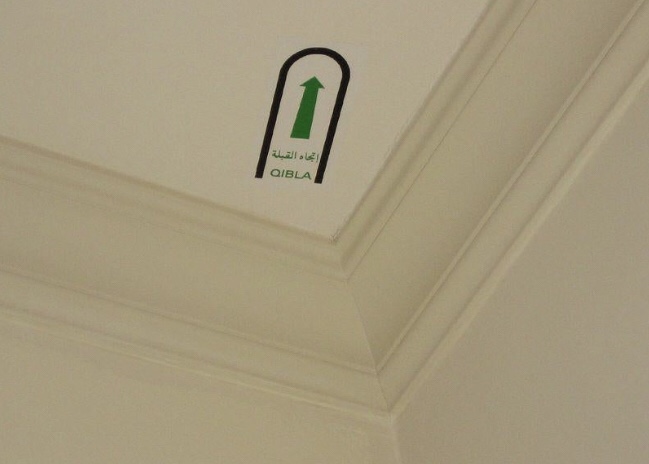
2. The organisation shall ensure that the guest rooms have a clearly marked kiblat direction verified by competent authority.
3. The rooms shall have adequate floor space space for a Muslim guest to perform in a solah in theroom.
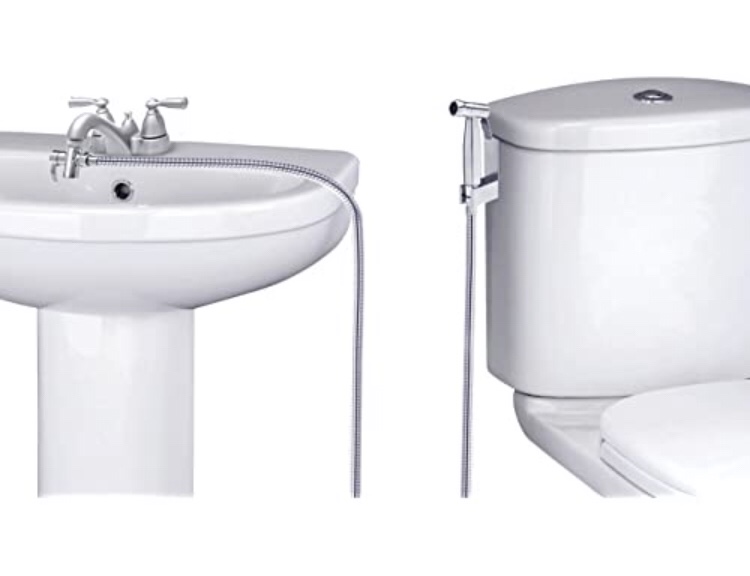
4. The washroom shall be equipped with bidet , hand shower or water hose.
5. The washroom floor shall kept clean.
6. The organisation shall ensure that personal care amenities and/or products provided in washroom are suitable for Muslim use.
7. Alcoholic beverages and intoxicants shall not be stored in the room’s refrigerator.
5.2.1.2 The following are recommended provisions for Muslimguests which include but not limited to the following condition :
1. There should be sajjada available for use in the room or upon request by the guest.
2. The room should provide clean female prayer garment or be made available upon request.
3. Information on prayer times should be available in the room or open request by the guest.
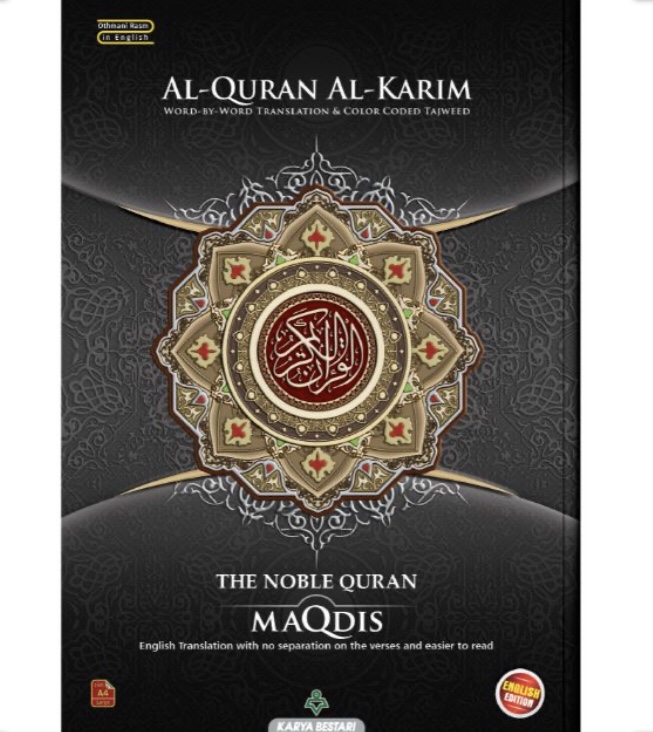
4. A copy translated al-Quran should be made available upon request by the guest.
5.2.1.3 The organisations is recommended to provide friendly services to disabled guest as well.
5.2.2 Food and Beverages
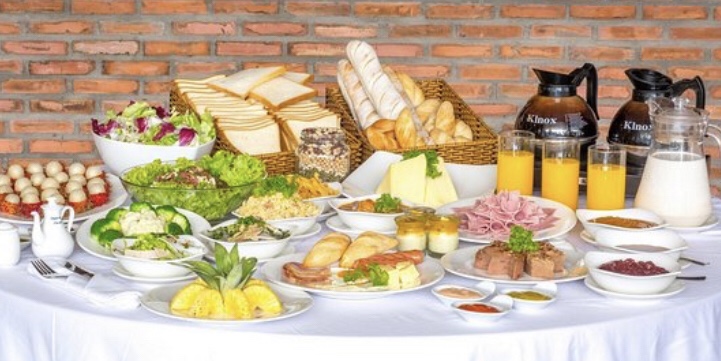
5.2.2.1 The organisations kitchen shall be certified halal by competent authority.
5.2.2.2 The organisations shall ensure that the information on services during Ramadan is available and communicated. The services shall include times and meals for sahur andiftar.
5.2.3 Public Musalla
5.2.3.1 Thereshall be allocated public Musalla for Muslim at the establishment.
5.2.3.2 The requirement for the public Musalla shall be as follows:
1. Located at suitable location and has a signage that dedicated for Musalla.
2. Well lit with adequate ventilation, is kept clean and well maintained.
3. Has a clearly marked kiblat direction verified by a competent authority.
4. Has segregated prayer areas for men and women.
5. Has sufficient number of sajada.
6. Has current information on prayer time or upon request.
7. Provides clean female prayer garment or upon request.
8. Has segregated Wudhu facilities for men and women which are adjacent to Musalla.
5.2.4 Public Washroom
The requirement for public washroom shall be as follows:
1. The washroom shall be equipped with bidet , hand shower and water hose.
2. The washroom floor shall be kept clean.
3. The amenities/products provided in the washroom are suitable for Muslim use.
5.2.5 Recreational and Wellness Facilities
The requirements for recreational and wellness facilities shall be as follows:
1. Recreational and wellness facilities shall be kept clean and well maintained.
2. The washroom at the facilities shall be equipped with bidet or hand shower.
3. Wherever appropriate, the organisation shall provide facilities that are Muslim friendly.
5.3 Tour Package
5.3.1 Accommodation
The travel agent shall ensure that the package which includes accommodation is in adherence to the requirements stipulated in 5.2 .
5.3.2Ground Transfer
5.3.2.1 Transportation used for ground transfers shall comply with applicable safety and regulatory requirement.
5.3.2.2 Where anorganisation chooses to outsource the transportation,the organisation shall ensure control all over such as activity ensuring that the supplier, subcontractors and other interested parties involved comply with the relevant requirements of thisstandard.
5.3.2.3 Upon request, the package shall be able to provide transportation for women guests exclusively
5.3.3 Product Selection
5.3.3.1 The selection of tourism products included in the package shall reflect the Islamic values experience.
5.3.3.2 The product selection shall not include the premises with the following core activities :
1. Manufacturing of non-halal products or related products, for example selling of liquor and pork.
2. Gambling and gaming.
3. Pornography.
4. Entertainment activities that are non-permissible according to Shariah.
5. Non Muslim worship place.
6. Other activities deemed non-permissible according to Shariah.
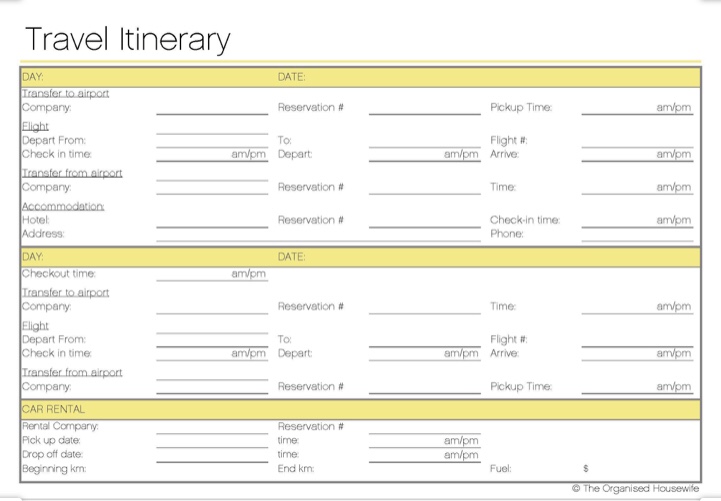
5.3.4 Itinerary
The itinerary shall have an allocated scheduled time for prayers, sahur and iftar during Ramadan.
5.3.5 Facilities
The travel agent shall ensure that the selected tourism products have the appropriate facilities like Musalla,washroom, or easy access to the facilities. The travel agent should ensure the facilities are generally clean and good condition.
5.3.6 Food and Beverages
5.3.6.1 The travel agent shall ensure that all food and beverages include in the package are certified halal by competent authority.
5.3.6.2 If the package does not include food and beverages, upon request, it should provide a list of halal certified restaurant within the vicinity.
5.3.7 Tourist Protection Plan
The travel agent should ensure a Shariah compliance protection is included in the package.
5.4 Tourist Guide
5.4.1 Credentials
Tourist guides shall possess valid license,skills, language competence and shall meet all legal requirements to give tours in their area.
5.4.2 Codeof Conduct
Licensed tourist guide shall follow the code of conduct and ethics as imposed by relevant authority.
5.4.3 Appearance
5.4.3.2 The licensed tourist guide shall act in courteus manner in accordance with Islamic values.
5.4.4 Muslim friendly services
The licensed tourist guide providing Muslim friendly services to the customers shall include but not the following :
1. Having basic knowledge on the requirements for Muslims travellers.
2. Keep the guest informed on their pray time.
3. Facilitate ample time for guests to perform their prayer.
4. Ensure all restaurant and eateries are certified halal by competent authority.
5. In the absence of halal food, the tour guide shall provide the guest list of halal certified eateries.
6. Legal requirements
All products and services shall in other aspects comply with legislation including relevant requirements currently in force in Malaysia.
7. Compliance
7.1 The organisations shall ensure that the requirements related to the product and services are Shariah compliant.
7.2 For accommodation,compliance with 5.2 shall be deemed to comply with this standard.
7.3 For tour packages, compliance with 5.3 shall be deemed to comply with this standard.
7.4 For tourist guide services, compliance with 5.4 shall be deemed to comply with this standard.





































































































































 Final project